We have these Memorials, so we can remember the people who fought for us. We also have them because some peoples bodies were left overs eases and don't have graves.
People meet on ANZAC days at the memorials to remember the soldiers.
We have these Memorials, so we can remember the people who fought for us. We also have them because some peoples bodies were left overs eases and don't have graves.
People meet on ANZAC days at the memorials to remember the soldiers.
Aim:
I want to walk in a straight line with no senses.
Hypothesis:
I predict that I will walk in a straight line.
Method:
Equipment:

Gabriel’s Gully
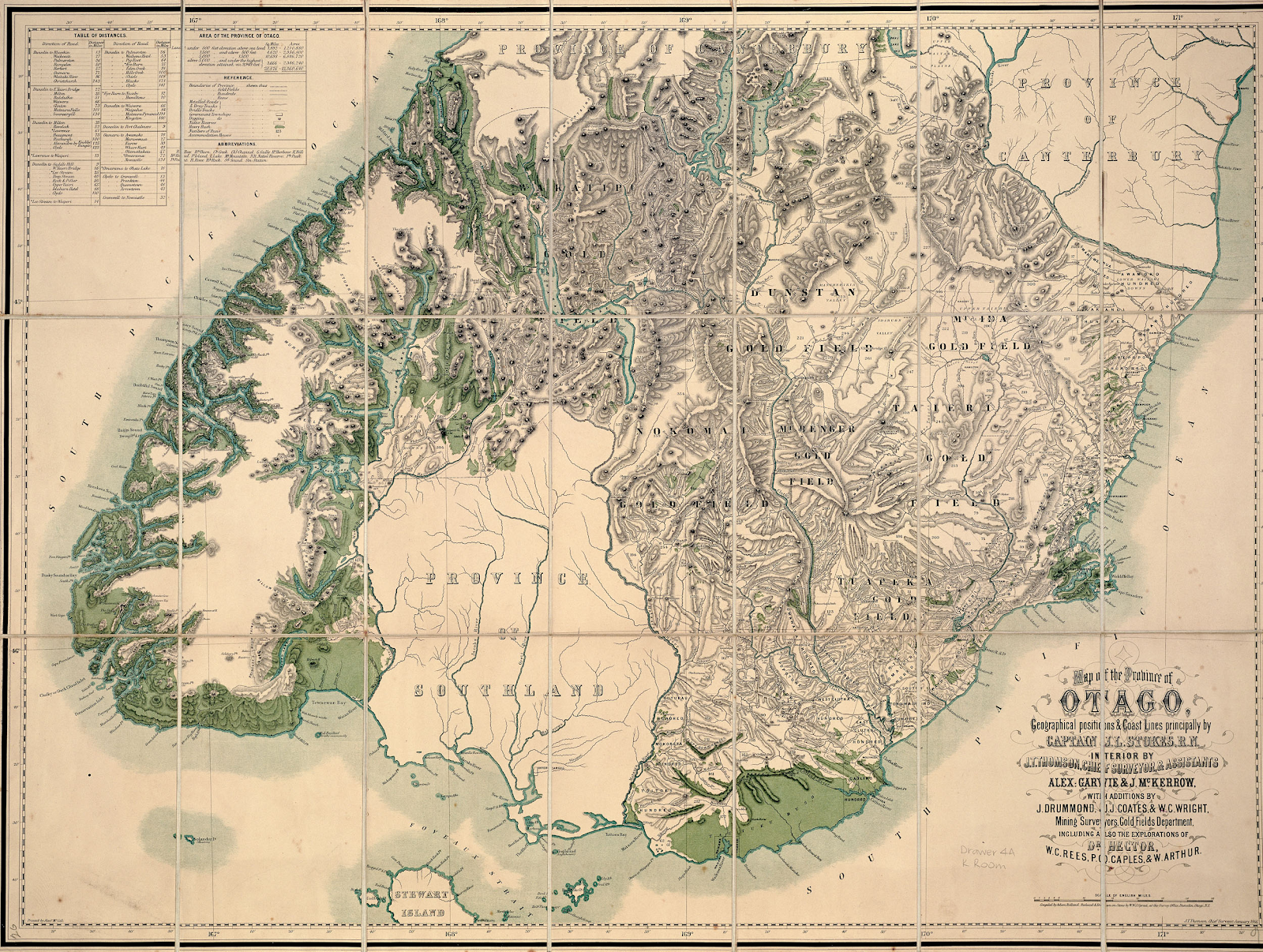
Otago’s first gold rush was in 1861, after Gabriel Read found gold in what would be called Gabriels Gully. This meant that thousands of diggers, later including men from China, went there to make their fortune.

First Major Gold Rush In Otago
Gabriel Read gained fame and Council bonuses when he found gold near the Tuapeka River
The Otago Council offered him a £1000 reward for his amazing discovery, which he accepted.
The piece of gold he found would go for more than $110,000 now.
This discovery sparked the country’s first Major gold rush.
When can a mission to mars (or from Mars) happen? Why?
It can Happen every 26 months, when Mars and Earth are at their closest points of Orbit
What is one possible solution from the story about oxygen on Mars? NASA has a machine called Moxie, which uses electricity to split Carbon Dioxide and Carbon Monoxide and Oxygen.
What are two geological features of Mars?
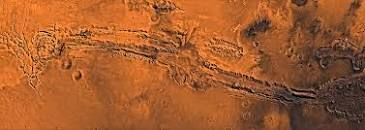
Olympus Mons which is a very large Volcano and Valles Marineris which is a canyon
If it doesn’t rain on mars, where does the water come from?
A tiny amount of water flows on the planet's surface. Water is found as an ice cap in the polar ice caps, but these ice caps are covered in thick layers of frozen carbon dioxide
How will people get food on Mars? What is a possible solution?
If people brought food to Mars, they would need enough for 26 months until the next supply rocket arrives with more food.
Each person’s supply would weigh 5 tons each.
Also you can’t grow food on Mars because there’s no soil, the planet had too few nutrients that plants need to grow.